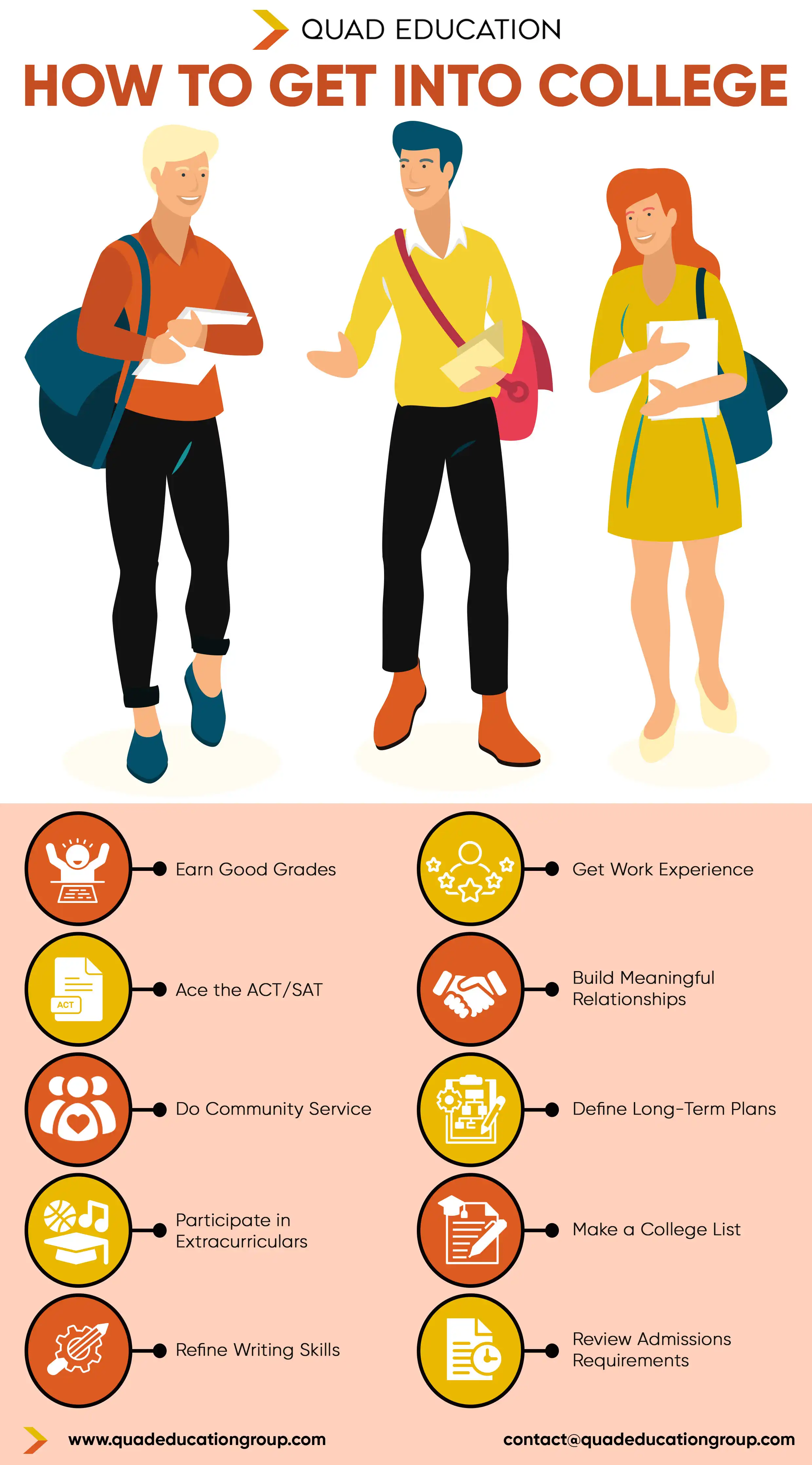
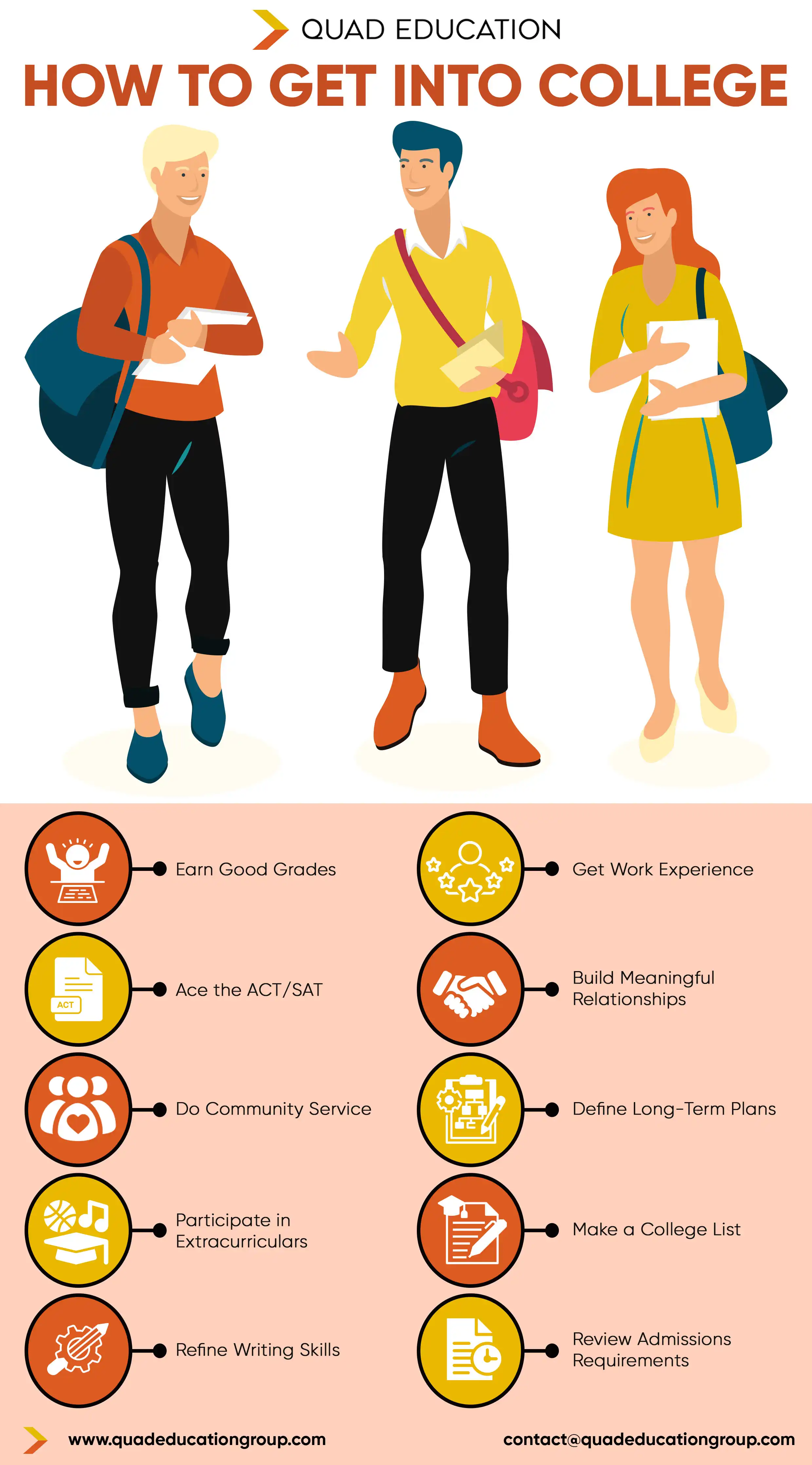
Understanding how to get into college begins with recognizing the multi‑phase journey from high school to higher education, such as a student who scores high on the SAT, crafts a compelling essay, and secures a scholarship at a state university.
The process holds critical importance because admission decisions shape academic trajectories, career opportunities, and personal development; historically, college enrollment rates have risen alongside expanding financial aid programs and standardized testing reforms.
This article walks through every major component—academic preparation, standardized testing, extracurricular profiling, financial planning, application strategy, and post‑acceptance steps—so readers can navigate each stage with confidence.
1. Academic Preparation
Strong grades form the foundation of any college application, signaling readiness for rigorous coursework.
- GPA Management
Maintaining a cumulative GPA above 3.5 demonstrates consistent performance; a sophomore at Lincoln High achieved a 3.8 by prioritizing core subjects, which later earned a merit scholarship.
- Course Rigor
Enrolling in AP or IB classes shows willingness to tackle advanced material; a student at Boston Prep completed AP Calculus and earned college credit, reducing future tuition costs.
- Subject Balance
Excelling in both STEM and humanities broadens appeal; a balanced transcript helped a prospective engineering major stand out to admissions committees.
Beyond grades, teachers’ recommendations often reflect classroom engagement and intellectual curiosity, influencing admissions outcomes.
2. Standardized Testing Strategy
Tests such as the SAT, ACT, and subject exams remain key benchmarks for many institutions, though test‑optional policies are expanding.
- Test Selection
Choosing the exam that aligns with strengths—SAT for math‑oriented students, ACT for verbal proficiency—can improve scores; a junior in Chicago switched to the ACT and raised her composite by 5 points.
- Preparation Resources
Utilizing official practice tests and tutoring services provides targeted feedback; Khan Academy’s free SAT prep helped a rural student identify weak areas.
- Score Timing
Testing early allows for retakes; a senior who retook the SAT in October boosted his score, making him eligible for a competitive engineering program.
Strategic planning around test dates, registration deadlines, and score‑sending policies ensures that test results support rather than hinder the application.
3. Extracurricular Portfolio
Colleges seek well‑rounded candidates who demonstrate leadership, commitment, and impact beyond the classroom.
- Leadership Roles
Serving as president of a club illustrates initiative; the captain of a high‑school debate team led the squad to a state championship, enhancing his admission profile.
- Community Service
Consistent volunteer work signals civic responsibility; a student logged 150 hours at a local food bank, earning recognition from the mayor.
- Creative Projects
Portfolio pieces, such as a short film or robotics prototype, provide tangible evidence of talent; a filmmaker’s Sundance‑bound short impressed admissions officers at a liberal arts college.
Quality outweighs quantity; deep involvement in a few areas often resonates more than superficial participation in many.
4. Financial Planning & Aid
Understanding tuition costs, scholarships, and aid packages is essential for turning acceptance into enrollment.
Students should complete the FAFSA early, explore merit‑based awards, and consider work‑study options; a family in Texas combined a state grant with a university scholarship, reducing net cost by 45%.
Negotiating financial aid, especially after receiving multiple offers, can yield additional grants, making college affordability realistic.
5. Application Crafting
The application itself is a narrative that ties academic records, test scores, and personal experiences into a cohesive story.
Essays must answer prompts authentically; a compelling personal statement about overcoming language barriers helped a first‑generation applicant secure admission at a top research university.
Proofreading, adhering to word limits, and submitting all supplemental materials on time prevent avoidable setbacks.
6. Interview & Campus Visit
Many schools offer optional interviews that provide a human connection and allow candidates to showcase personality.
Visiting campuses—whether virtually or in person—helps gauge fit; a prospective student who toured the engineering labs at Georgia Tech confirmed the program’s alignment with career goals.
Preparation includes researching the institution, preparing thoughtful questions, and practicing concise self‑presentation.
Frequently Asked Questions
Quick answers to common concerns about college admission.
Question 1: How early should standardized tests be taken?
Testing by the junior year allows time for score improvement; early attempts identify weaknesses, and retakes before senior year can boost competitiveness.
Question 2: Are extracurriculars more important than GPA?
Both matter, but GPA remains the primary academic indicator; strong extracurriculars complement grades by demonstrating leadership and character.
Question 3: What is the role of legacy status?
Legacy applicants may receive a modest advantage at some private institutions, yet merit and fit still dominate most admission decisions.
Question 4: How can financial aid be maximized?
Complete the FAFSA promptly, apply for scholarships early, and compare offers; negotiating after multiple acceptances often yields additional aid.
Question 5: Do test‑optional schools require essays?
Yes, most test‑optional institutions still require personal statements; essays become a key avenue to showcase academic potential without test scores.
Question 6: What common mistakes cause rejections?
Incomplete forms, missed deadlines, generic essays, and low engagement in extracurriculars are frequent pitfalls that undermine otherwise strong applications.
Tips for a Successful Admission Journey
Practical actions that streamline the process.
Tip 1: Build a timeline. Map out testing dates, application deadlines, and financial aid milestones to stay organized.
Tip 2: Seek feedback. Have counselors or mentors review essays and resumes for clarity and impact.
Tip 3: Prioritize fit. Target schools whose programs, culture, and resources align with personal goals.
Tip 4: Keep records. Maintain a spreadsheet of grades, test scores, and recommendation contacts for easy reference.
Tip 5: Practice interviews. Conduct mock sessions to refine answers and reduce anxiety.
Tip 6: Explore scholarships. Search databases like FastWeb and the College Board for merit‑based awards.
Tip 7: Stay resilient. Rejections are part of the journey; use them to refine strategy and improve future applications.
Conclusion
The pathway to college admission integrates academic excellence, strategic testing, meaningful extracurriculars, thorough financial planning, polished applications, and personal engagement. Mastering each component increases the likelihood of receiving offers from desired institutions.
Armed with these steps, prospective students can approach the process confidently, turning aspirations into enrolled reality.

